

Hear from Our Customers
You’re not imagining it. That musty smell in the basement, the allergies that get worse at home, the stain that keeps coming back on the ceiling—these are signs your house is trying to tell you something. DIY test kits won’t give you real answers. Consumer Reports tested every major brand and rated them all “Not Recommended” because they’re fundamentally flawed. Those settling plates will always grow mold, whether your home has a problem or not.
Professional mold testing uses thermal imaging to detect temperature differences behind walls, moisture meters to measure humidity in drywall and wood, and air sampling to measure actual spore levels in your home. The samples go to an independent laboratory that identifies exactly what species you’re dealing with and at what concentration. You get a detailed report with photos, moisture readings, and lab results that tell you whether your indoor air quality is compromised.
This matters because mold isn’t just unpleasant. It doubles your risk of asthma. It can drop your property value by 20-37%. And the longer it grows, the more damage it causes to whatever it’s growing on. You need to know if you have a problem, where it is, and how serious it is—not just whether mold exists somewhere in your house.
We’ve been serving Pipersville and Bucks County with reliable residential mold testing and remediation for years. We know this area. We know that Bucks County’s humid summers and damp winters create perfect conditions for mold growth, especially in basements, crawl spaces, and around windows where condensation builds up.
We’ve inspected enough older homes in Pipersville to know the common trouble spots—stone foundations that wick moisture, attics with inadequate ventilation, bathrooms with original plumbing that’s developed slow leaks over decades. Our equipment finds problems in areas you can’t easily access, and our laboratory partners give you scientifically accurate results, not guesswork.
We’re not here to upsell you on services you don’t need. We’re here to tell you what’s actually happening in your home so you can make an informed decision about what to do next.
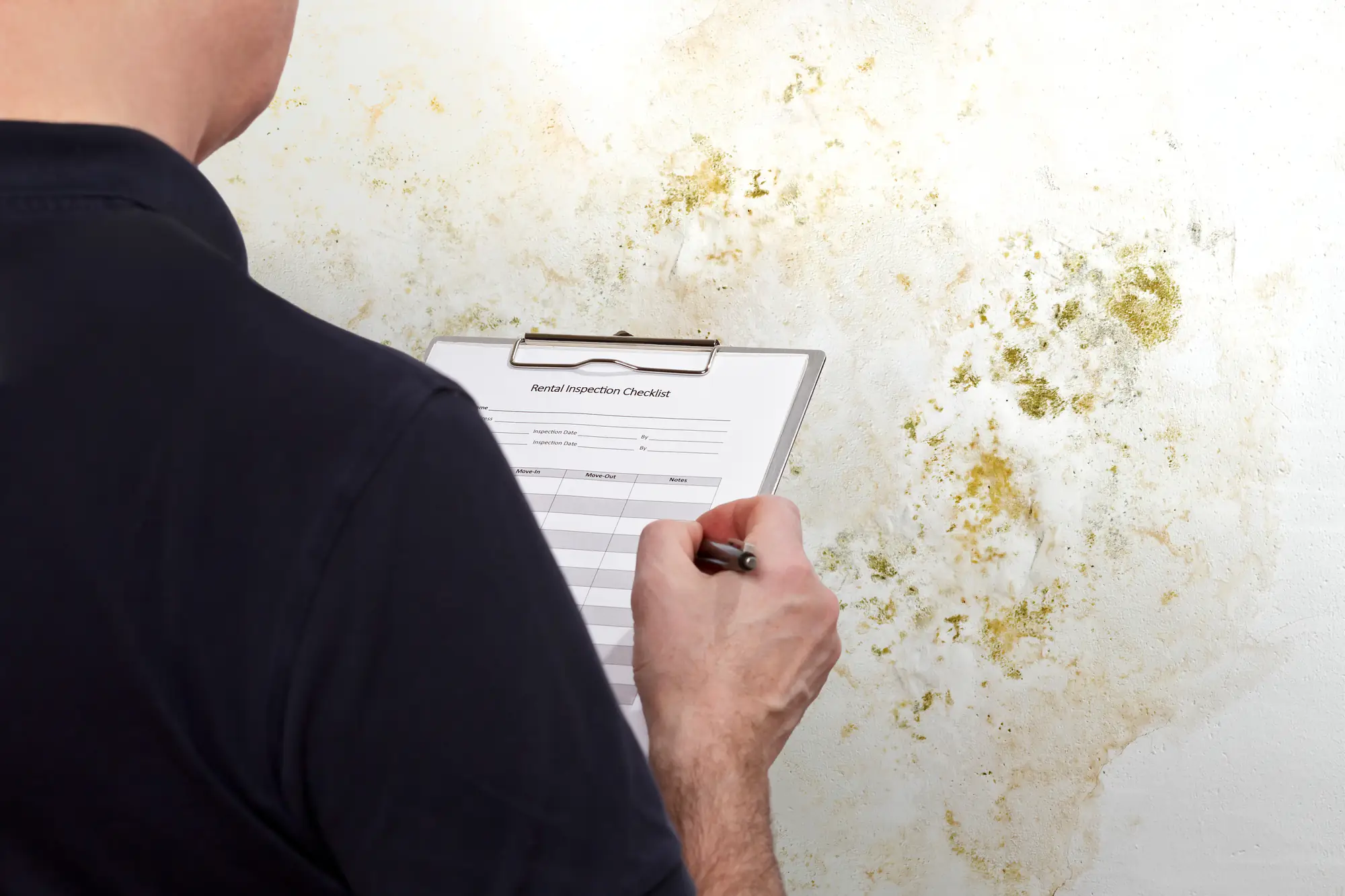
We start with a free walkthrough of your property at a time that works for you. No pressure, no sales pitch. We’re looking for visible signs of mold, water damage, or moisture problems. We’re also looking for the conditions that allow mold to grow—high humidity, poor ventilation, past water intrusion.
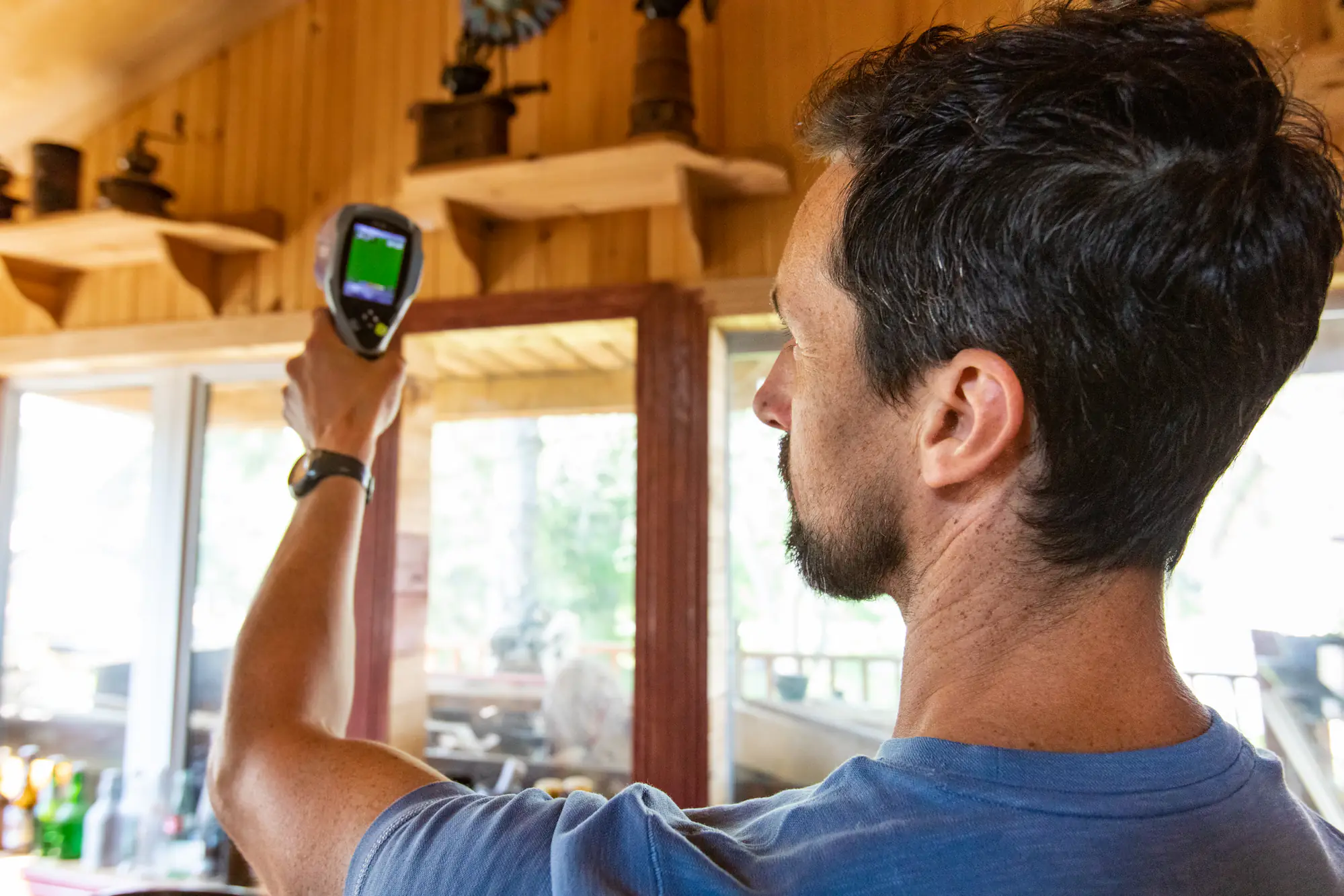
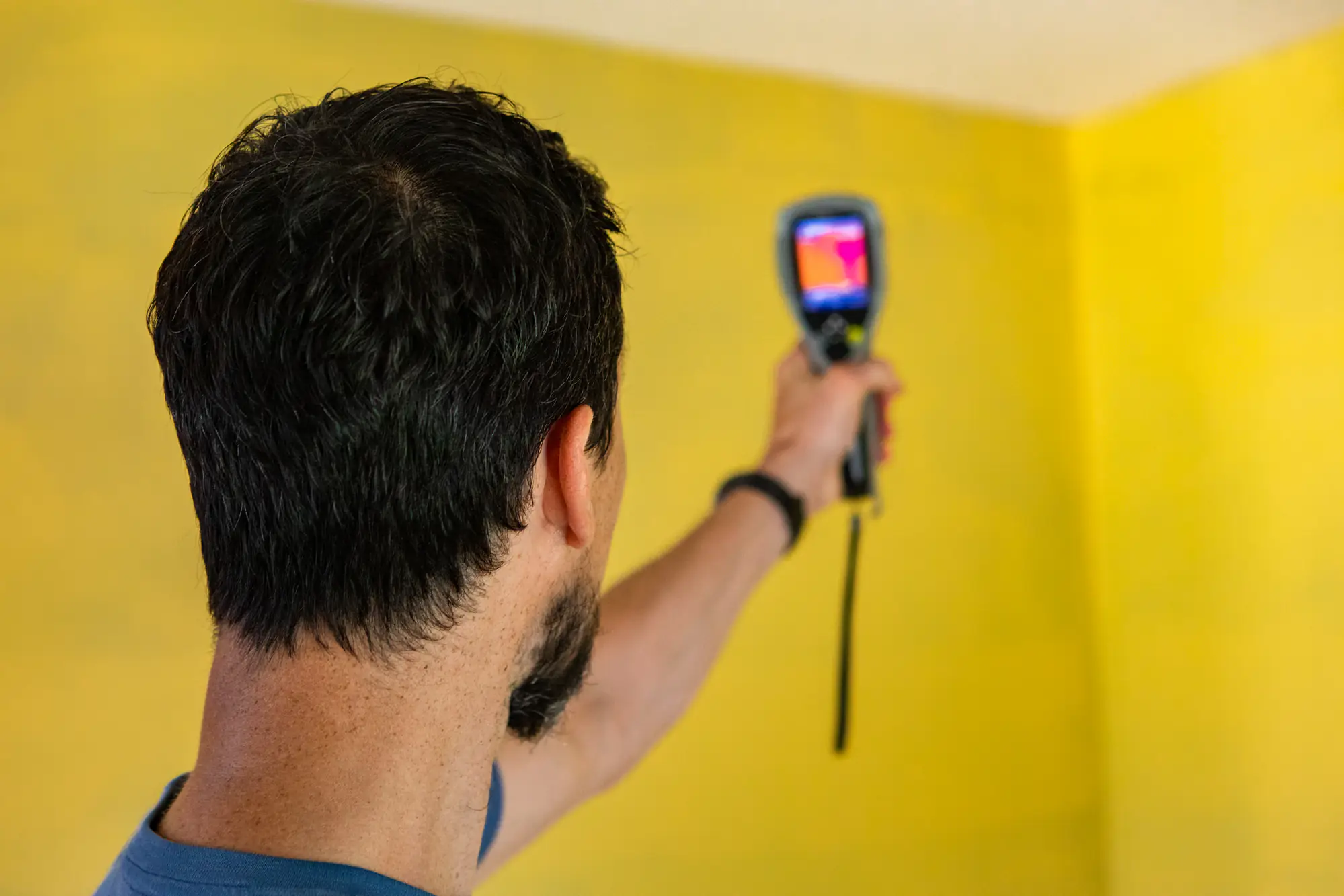
We use thermal imaging cameras to detect temperature differences that indicate moisture behind walls or ceilings. We use digital moisture meters to measure humidity levels in building materials. If we find areas of concern, we collect air samples from multiple locations in your home and send them to an independent laboratory that specializes in mold analysis.
The lab identifies the species present and measures the concentration of spores. They compare your indoor levels to outdoor levels to determine if your indoor air quality is compromised. Results typically come back within three to five business days. You receive a comprehensive report with lab results, detailed photographs, moisture readings, and a written explanation of what we found. If remediation is needed, we explain exactly what that involves and give you transparent pricing before any work begins.
Ready to get started?
You get a thorough inspection using professional-grade equipment that DIY kits can’t match. Thermal imaging reveals hidden moisture. Moisture meters give precise readings in walls, floors, and ceilings. Air sampling captures spores that are invisible to the naked eye. Surface sampling identifies what’s growing on visible areas.
All samples go to a nationally recognized laboratory for analysis. You’re not relying on our opinion—you’re getting scientific data from an independent source. The lab report identifies mold species, measures concentration levels, and compares indoor to outdoor spore counts. This documentation is exactly what insurance companies require if you need to file a claim.
In Pipersville and throughout Bucks County, we pay special attention to the areas where local climate conditions create the biggest risks. Basements with stone foundations are common in older homes here, and they’re notorious for moisture problems. Crawl spaces often lack proper vapor barriers. Attics may have insufficient ventilation for our humid summers. We know where to look because we’ve seen what happens in homes like yours when these issues go unaddressed.
You also get our experience navigating insurance claims. We know what documentation adjusters are looking for. We’ve handled plenty of claims over the years, and we can work directly with your insurance company to help you through the process.
Professional mold testing in Pipersville typically ranges from a few hundred dollars for a basic inspection to more for comprehensive testing with multiple sample locations. The exact cost depends on the size of your home, how many areas need testing, and whether you need air sampling, surface sampling, or both.
We give you upfront pricing before we start, so there are no surprises. You know the exact cost before we begin any work. That’s important because some companies use low initial quotes to get in the door, then add fees once they’re on site.
The cost of testing is minimal compared to what you save by catching problems early. If mold is discovered during a real estate transaction, it can drop your home’s value by 20-37%. If hidden mold causes structural damage, you’re looking at repair costs that dwarf the price of an inspection. Testing gives you the information you need to protect your investment before small problems become expensive ones.
A mold inspection is a visual assessment where we walk through your property looking for signs of mold growth, water damage, or conditions that promote mold. We use moisture meters and thermal imaging to detect hidden problems. An inspection tells you if there are areas of concern that need further investigation.
Mold testing goes further. We collect air samples or surface samples and send them to a laboratory for analysis. The lab identifies the specific species of mold present and measures the concentration of spores in your indoor air. Testing gives you scientific data about what’s growing in your home and whether it’s at levels that could affect your health or property.
You might need just an inspection if you’re doing routine maintenance or investigating a small visible area. You need testing if you’re experiencing health symptoms, preparing for a real estate transaction, filing an insurance claim, or dealing with a musty smell you can’t locate. Testing provides the documentation and specificity that inspections alone can’t offer.
Results from laboratory analysis typically come back within three to five business days. The timeline depends on the lab’s current workload and the type of analysis required. Some labs offer rush services for an additional fee if you need results faster for a real estate closing or insurance deadline.
The inspection itself usually takes one to two hours, depending on the size of your home and how many areas we’re investigating. We collect samples on site, package them properly, and send them to the lab the same day or next business day.
Once results come back, we review them with you and explain what they mean in plain language. You’ll receive a written report with lab findings, photographs, moisture readings, and our recommendations. If remediation is needed, we’ll explain the scope of work and provide transparent pricing before moving forward. If results show your home is fine, you have documentation and peace of mind.
DIY mold test kits are largely unreliable. Consumer Reports tested every major brand and rated them all “Not Recommended” due to significant flaws in how they work. The settling plates that come with most kits will always grow mold because mold spores exist everywhere—indoors and outdoors. Finding mold on the plate tells you nothing about whether your home has a problem.
These kits also can’t detect hidden mold behind walls, under flooring, or in HVAC systems. They only test the spot where you place them, which means you could miss the actual problem area entirely. And they don’t measure concentration levels or compare indoor to outdoor spore counts, which is essential for determining if your indoor air quality is compromised.
Professional black mold testing uses calibrated air sampling equipment that measures spore levels throughout your home. Samples go to an accredited laboratory that identifies species and quantifies concentration. We also use thermal imaging and moisture meters to find hidden problems that surface-level testing misses. If you’re concerned enough to test, you’re concerned enough to get accurate results from professional equipment and independent laboratory analysis.
It depends on what caused the mold. Most homeowners insurance policies cover mold remediation if the mold resulted from a covered peril—like a burst pipe, roof leak from storm damage, or water damage from firefighting efforts. Insurance typically won’t cover mold that developed from long-term neglect, lack of maintenance, or gradual issues like chronic condensation.
Insurance companies want proof that the mold was caused by a covered event and that you took reasonable steps to address it promptly. That’s where professional testing becomes critical. Our detailed reports provide the documentation adjusters need to process your claim. We’ve handled plenty of insurance claims over the years, and we know what information they’re looking for.
We can work directly with your insurance company to help navigate the claims process. We’ll provide the necessary documentation, explain our findings, and answer questions from adjusters. Even if your insurance doesn’t cover the full cost, having professional documentation protects you and ensures the work is done right. Trying to cut corners with DIY solutions often leads to bigger problems and higher costs down the road.
Mold produces allergens, irritants, and in some cases potentially toxic substances. Common health effects include respiratory symptoms, allergic reactions, sinus discomfort, fatigue, and worsening asthma. Studies show that the risk of asthma doubles in homes with mold. People with existing respiratory conditions, weakened immune systems, or mold allergies are especially vulnerable.
The severity of health effects depends on the type of mold, the concentration of spores, and individual sensitivity. Some people experience symptoms immediately, while others don’t notice effects until exposure has been prolonged. If your allergies get worse at home but improve when you leave, or if you’re experiencing persistent respiratory issues without another explanation, mold could be the culprit.
Professional mold testing identifies the species present and measures concentration levels so you know exactly what you’re dealing with. Different species pose different risks. Some are primarily allergenic, while others produce mycotoxins that can cause more serious health effects. Testing gives you the information you need to assess the risk to your family and make informed decisions about remediation. Your health is too important to guess about.
Other Services we provide in Pipersville